ADHD (Attention-Deficit/Hyperactivity Disorder) is a neurodevelopmental condition that affects attention, impulse control, and activity level. In children, symptoms must be persistent for at least six months, appear in more than one setting (like home and school), and interfere with daily functioning.
If you’re noticing signs of inattention, hyperactivity, or impulsivity in your child, understanding what ADHD looks like, and when to seek help, can bring clarity and relief. Early identification leads to better support, improved confidence, and healthier long-term outcomes.
Key Takeaways:
- Watch for persistent inattention, hyperactivity, or impulsivity that disrupts school, home routines, or friendships.
- Recognize differences between typical development and ADHD, symptoms must be consistent across multiple settings.
- Note gender differences: boys often show hyperactivity; girls more often display inattentive, easily overlooked symptoms.
- Seek an ADHD assessment if behaviors affect learning, relationships, or daily functioning.
- Early diagnosis reduces anxiety, depression, and risk-taking behaviors while opening the door to effective support.
- Treatment may include medication, behavioral therapy, parent coaching, school accommodations, and lifestyle changes like exercise and structured routines.
- Physical activity and consistent daily structure can significantly improve focus, emotional regulation, and overall well-being.
Table of Contents
- Introduction: When You Suspect Your Child Has ADHD
- Understanding ADHD and Why It Matters
- What ADHD Can Look Like: Subtypes and Symptom Patterns
- Common Symptoms to Watch For
- Typical Development vs. ADHD: Key Differences
- Gender Differences in ADHD Presentation
- Why Early Identification Is Essential
- When to Seek an ADHD Assessment
- What to Expect from an ADHD Diagnosis
- Treatment Options and Support Strategies
- The Role of Physical Activity in Managing ADHD
- Addressing Co-Occurring Conditions
- Moving Forward: Getting Help and Next Steps
- Frequently Asked Questions
- About the Author
It's a familiar moment for many parents. You've just wrapped up parent-teacher conferences and heard that your child blurts out answers, struggles to stay seated, or sometimes looks defeated with their head down on the desk. At home, getting them up, dressed, fed, and out the door on time can feel like an Olympic event. You're exhausted, confused, and wondering, "Why is this so hard?"
Maybe you've also noticed your child having difficulty focusing, sitting still, or managing big emotions, and a question has started to surface: "Could my child have ADHD?"
As a licensed marriage and family therapist who specializes in ADHD assessment and treatment, I want to reassure you, seeking clarity for your child is one of the most supportive steps you can take.
Understanding Attention Deficit Hyperactivity Disorder (ADHD)
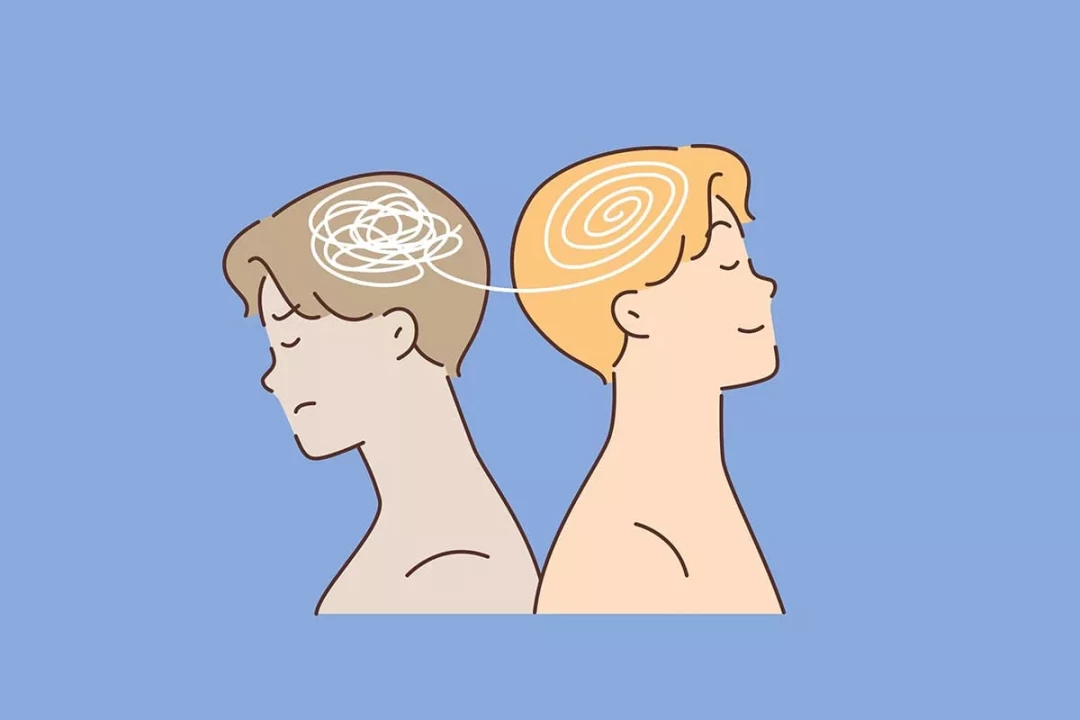
Attention Deficit Hyperactivity Disorder (ADHD) is a common neurodevelopmental (and mental health) disorder that affects millions of children and adults. It's characterized by persistent patterns of trouble paying attention, hyperactivity, and impulsivity that interfere with daily functioning and development.
While ADHD symptoms can vary significantly from person to person, understanding the core patterns can help parents recognize when to seek professional guidance.
ADHD typically starts before the age of 12, and early recognition of symptoms is essential for timely intervention and treatment. The good news is that with the right support and strategies, children with ADHD can thrive.
ADHD Types and Subtypes
ADHD presents differently from person to person due to variations in symptoms. ADHD has three subtypes:
- Predominantly Inattentive: This subtype involves difficulty with focus, organization, and task completion. Children may seem easily distracted, forgetful, or struggle to sustain attention during tasks or activities.
- Predominantly Hyperactive-Impulsive: This subtype is characterized by excessive energy, constant motion, fidgeting, and impulsivity. Children may struggle to sit still and often act before thinking.
- Combined Type: This is the most common presentation, where children exhibit both inattentive symptoms and hyperactive-impulsive symptoms.
Symptoms to Watch For
Inattentive Symptoms:
- Difficulty staying focused on tasks or following instructions
- Disorganization and forgetfulness in daily activities
- Trouble starting or completing tasks without multiple reminders
- Easily distracted by external stimuli
- Losing or misplacing important items regularly
- Appearing not to listen when spoken to directly
Hyperactive Symptoms:
- Constant movement, fidgeting, or seeming "on the go"
- Difficulty remaining seated in situations where it's expected
- Restlessness and excessive talking
- Difficulty engaging in quiet activities
Impulsive Symptoms:
- Blurting out answers or interrupting others
- Acting without thinking about consequences
- Difficulty waiting for their turn
- Intruding on others' conversations or activities
Emotional and Behavioral Signs:
- Big emotional reactions or frustration tolerance that feels low
- Inconsistent performance in school or activities
- Low self-esteem or feelings of inadequacy
How is ADHD Different from Typical Development?
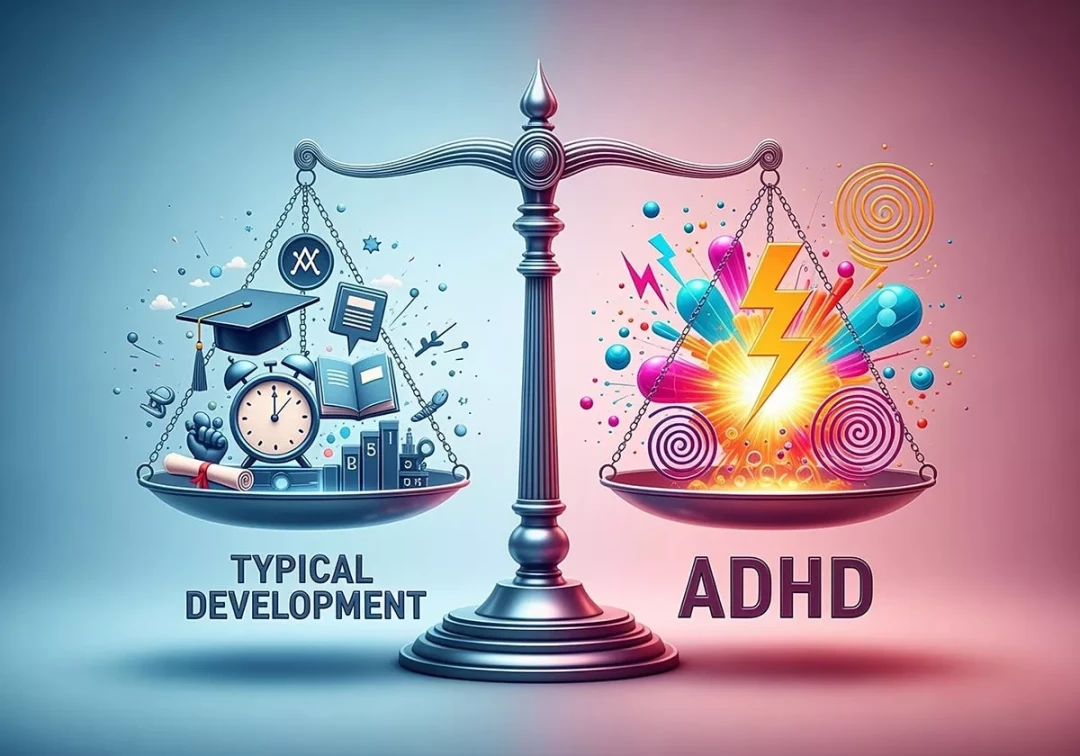
It's important to understand the difference between typical childhood behavior and ADHD. Many kids can be easily distracted, exhibit high energy levels, or have moments of impulsivity; this is part of typical development.
However, ADHD is characterized by persistent and significant problems that interfere with learning, friendships, or family routines across multiple settings (home, school, social situations).
Typical development in children can include periods of inattention, hyperactivity, and impulsivity, but these symptoms are usually transient and context-specific. With ADHD, symptoms are consistent, persistent, and create meaningful challenges in daily life.
Are There Gender Differences in ADHD Presentation?
Boys are more likely to exhibit hyperactive symptoms, which often leads to earlier identification. Girls, on the other hand, may exhibit more inattentive symptoms, which can be easier to overlook.
Girls with ADHD might be described as "daydreamers" or "spacey" rather than disruptive, which can delay diagnosis and treatment. Understanding these differences is crucial for accurate identification and support.

Why Does Early Identification Matter?
ADHD is not a parenting issue; it is a neurodevelopmental disorder that requires specific parenting strategies. Receiving an early diagnosis helps kids gain confidence, reduces shame, and opens the door to support that can make life easier for the whole family.
When ADHD goes untreated, children are at higher risk for developing co-occurring mental health conditions such as anxiety and depression. They may also seek stimulation through impulsive and high-risk choices.
Understanding their brain and equipping the child and family with safe and effective tools, structures, and strategies can reduce the likelihood of these risk-taking behaviors.
Early intervention and treatment can significantly improve outcomes for children with ADHD, helping them develop healthy coping skills and strategies to manage their symptoms effectively.

When Should I Seek an ADHD Assessment for My Child?
If you suspect that your child has ADHD, it's essential to seek an ADHD assessment from a qualified healthcare professional. Consider scheduling an evaluation if:
- Your child's behaviors are interfering with learning or academic performance
- Friendships are being affected by your child's behavior
- Family routines have become consistently challenging
- Your child's teacher has expressed concerns
- You have a persistent concern that something is off
- Other symptoms, such as low self-esteem or learning disabilities, are present
A comprehensive ADHD assessment typically includes input from parents, teachers, and other caregivers. A pediatrician, child psychologist, or licensed therapist can evaluate your child's symptoms through physical exams, medical history, behavioral evaluations, and standardized rating scales.

What to Expect from an ADHD Diagnosis
An ADHD diagnosis can be a life-changing event for children and their families, in the best possible way. A diagnosis provides clarity, reduces confusion, and opens doors to effective support.
Children with ADHD are often some of the most fun, imaginative, and passionate clients I meet. They have incredible potential but can be greatly misunderstood and mischaracterized. With understanding and the right support, they flourish.
A comprehensive treatment plan may include medication, behavioral therapy, and lifestyle changes to help manage ADHD symptoms. ADHD diagnosis and treatment require a collaborative effort between parents, teachers, and healthcare professionals, with regular follow-up appointments to monitor progress and adjust the plan as needed.

Moving Forward with Confidence
This article is educational and not a substitute for a professional diagnosis. If you're noticing signs of ADHD and want guidance on what comes next, know that you're taking an important step. At Individual, Couple, and Family Therapy (ICFT), we offer family-centered care to help you navigate this journey with confidence. Our experienced therapists specialize in ADHD assessment and treatment, providing comprehensive support for children and families.
Don't wait to get the clarity and support your child deserves. Contact ICFT today at 614-389-0747 to schedule an ADHD assessment. We're here to help your child thrive.
Frequently Asked Questions About ADHD
How can we help?
For more information about ADHD assessment and treatment at ICFT, contact us or call 614-389-0747.
ABOUT THE AUTHOR
Abby Sagasser, IMFT, is a licensed marriage and family therapist at Individual, Couple, and Family Therapy (ICFT) in Dublin, Ohio. She specializes in ADHD assessment and treatment for children, adolescents, and families. Abby is passionate about helping families understand and support their children's unique needs.